
As electric vehicles (EVs) become mainstream, the reliability and safety of charging infrastructure are under greater scrutiny than ever. One of the most critical yet often overlooked safety features in an EV charger is overcurrent protection.
At Piot Solutions Pvt Ltd, we design and manufacture EV charging solutions with multi-layer safety architecture, ensuring uninterrupted performance across residential, commercial, and fleet applications.
What is Overcurrent Protection?
Overcurrent protection is a safety mechanism designed to automatically stop or limit the flow of electricity when current exceeds safe operating limits.
In Piot chargers, this is not just a feature—it is deeply integrated across hardware, firmware, and system design to prevent overheating, damage, and fire risks.
⚙️ Protection Architecture in Piot EV Chargers
2-Level protection Architecture
🔌 A. Protective Devices on Panel Board
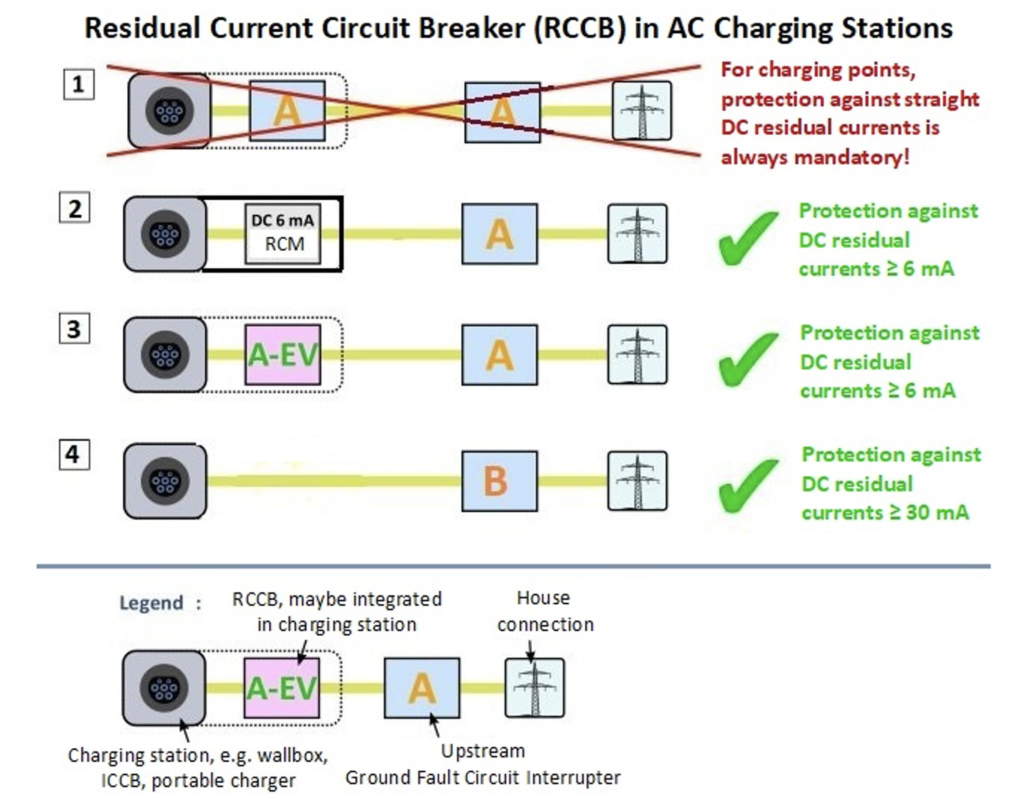
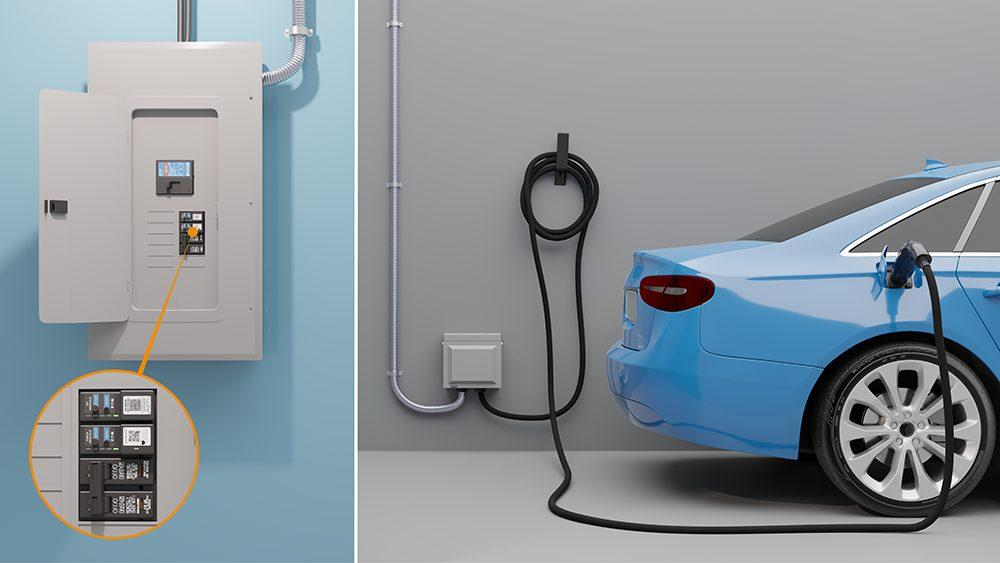
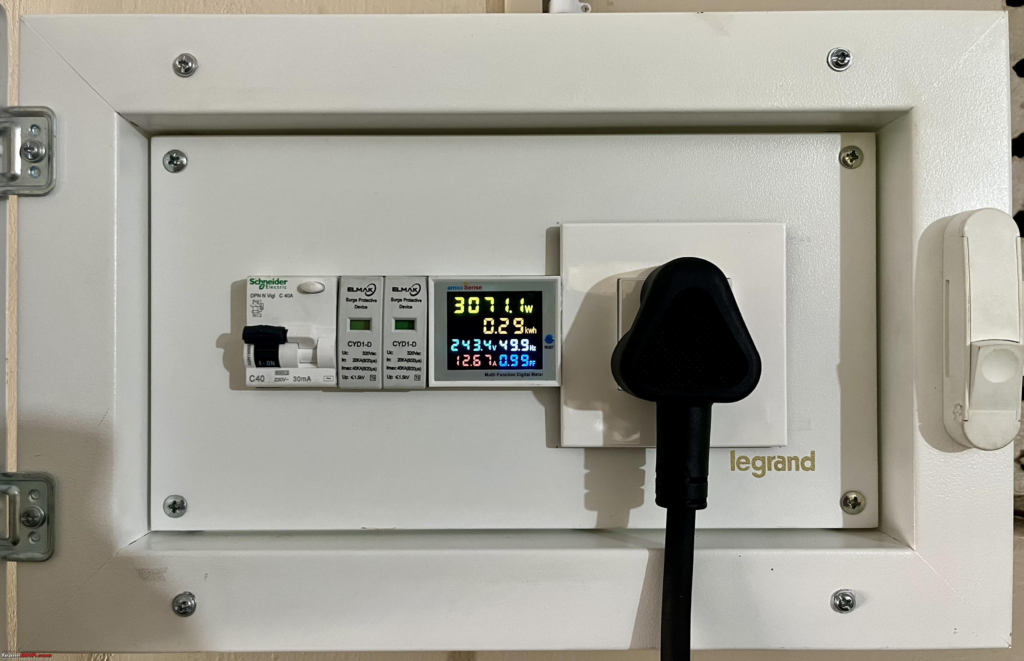
External protection components recommended with Piot installations:
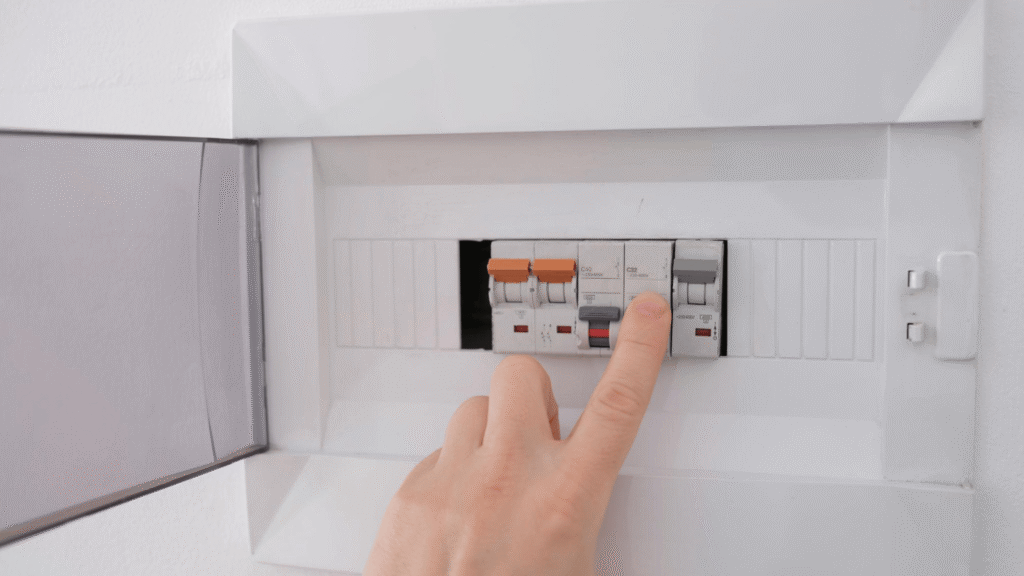
- MCB (Miniature Circuit Breaker): Instant tripping for overload and short circuit
- Fuses: Backup protection during fault conditions
- RCCB : is a safety device that detects leakage current (current flowing to earth) and disconnects the power supply instantly to prevent electric shock and fire hazards.
⚙️ B. Product Configuration (Piot Built-in Protection)
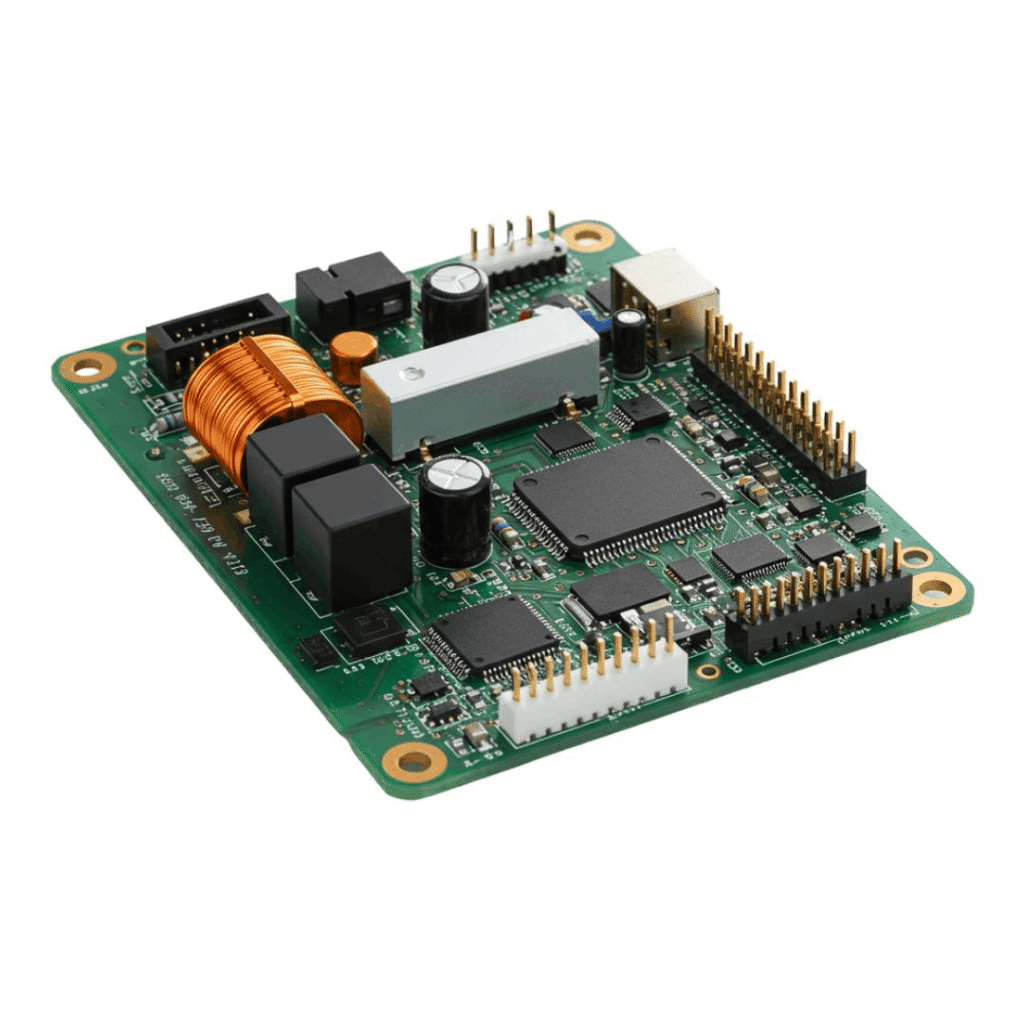
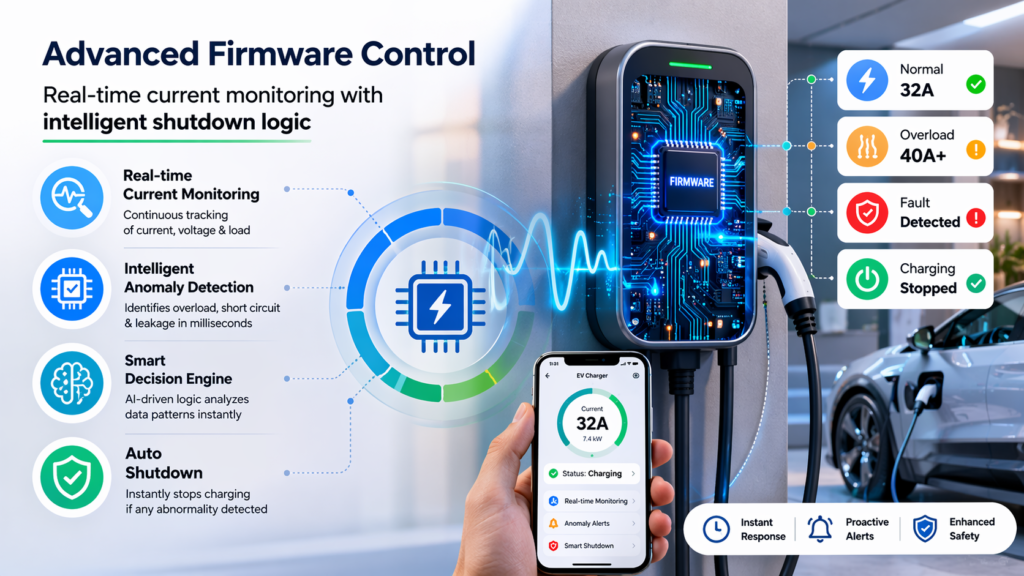
Integrated protection within the EV charger:
- Optimized PCB Design: Ensures safe current flow and minimizes fault risks
- Protective Hardware: Embedded safety components for system-level protection
- Advanced Firmware Control: Real-time current monitoring and intelligent regulation
🚨 Why Overcurrent Protection is Critical
Overcurrent protection safeguards the entire ecosystem—from panel board to EV battery:
- Protects Panel Board & Electrical Circuit
Prevents damage to wiring and upstream electrical infrastructure - Prevents Equipment Damage
Avoids overheating, component failure, and costly repairs - Enhances User Safety
Minimizes risk of fire, electric shock, and hazardous failures - Protects EV Batteries
Maintains battery health and ensures long-term performance - Ensures Regulatory Compliance
Meets standards such as IEC and BIS for safety and quality
🔍 Types of Overcurrent Conditions
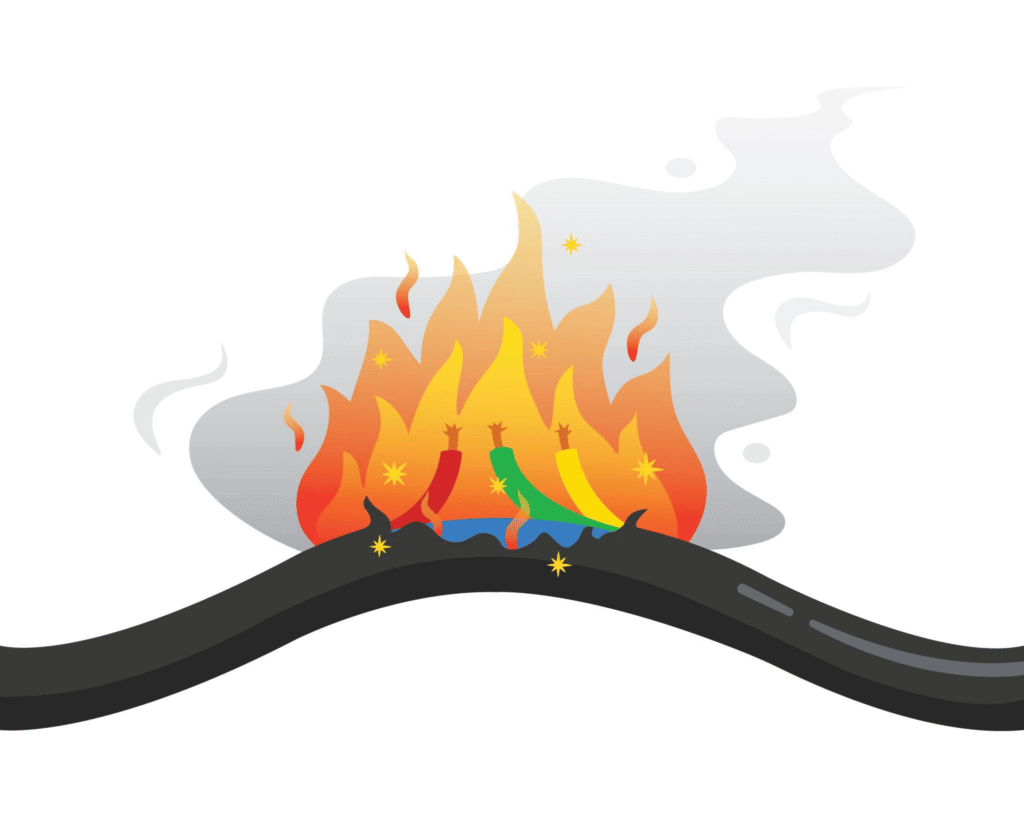
- Overload Condition
- Occurs when current gradually exceeds the rated capacity over time.
- Caused by prolonged high load or multiple devices drawing power
- Leads to overheating of cables and components
- Typically handled by MCB or firmware-based current limiting
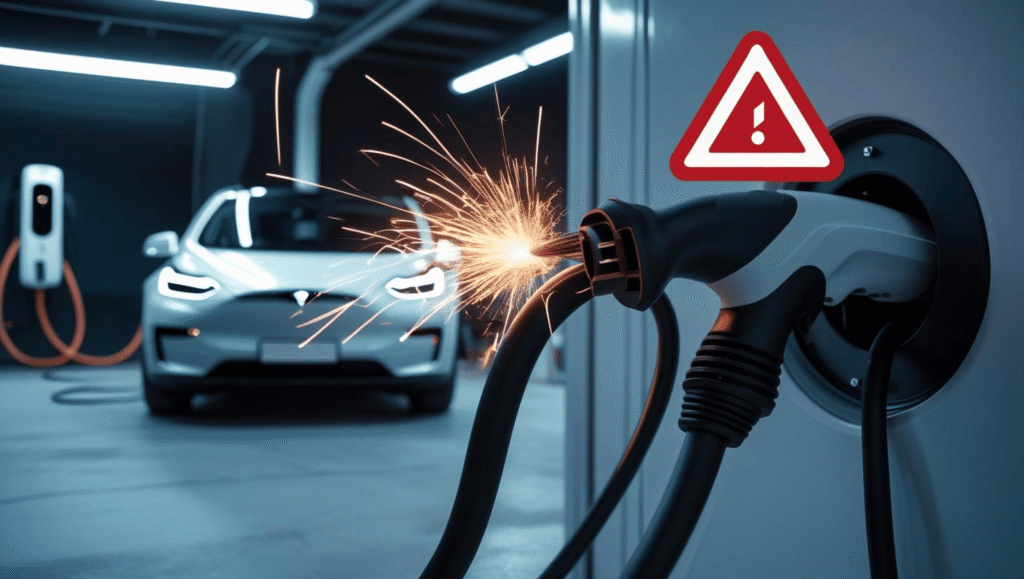
2.Short Circuit Condition
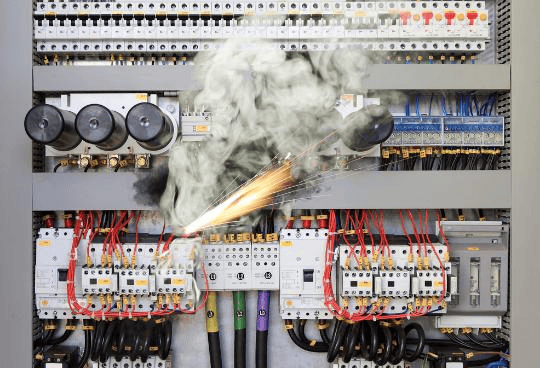
A sudden and extreme rise in current due to direct contact between live conductors.
- Results in very high current surge (instantaneous)
- Can cause sparks, fire, or severe equipment damage
- Requires instant tripping protection (MCB/fuse)
3. Ground Fault / Earth Leakage
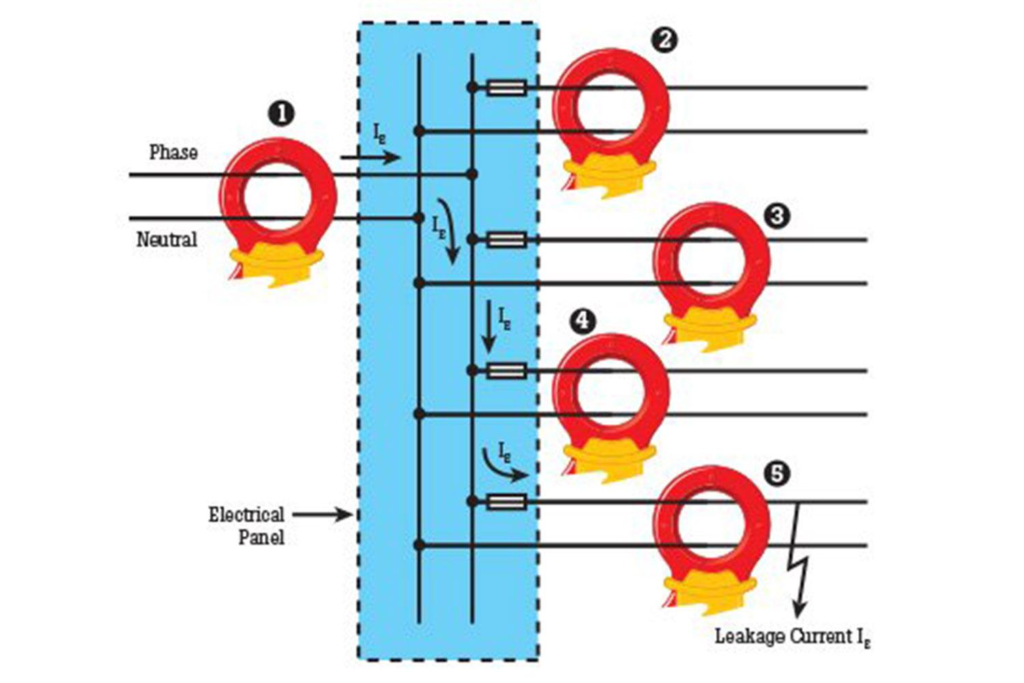
Occurs when current flows through an unintended path to earth.
- Often caused by damaged insulation or moisture ingress
- Poses serious shock risk to users
- Detected by RCD (Residual Current Device) or RCCB
📊 Real-World Example
7.4 kW EV Charger
Normal Operation:
Rated at 7.4 kW, operating current is approximately 32A Overload Condition (40A+ gradual rise):
Current exceeds rated limit over time, causing heating of cables and components
→ Protected by MCB and firmware-based current limiting Ground Fault / Earth Leakage:
Current leaks to earth due to insulation failure or moisture, creating shock risk
→ Detected by RCCB / RCD Short Circuit Condition:
Sudden high current surge due to direct contact between conductors, causing sparks/fire risk
→ Handled by MCB (instant trip) and fuse (backup protection)
RCCB is not optional—it is a critical safety device that protects human life. In EV charging environments, especially in homes and apartments, installing an RCCB ensures safe, compliant, and reliable operation.
Final Action:
Protection system trips immediately and stops charging, preventing overheating, equipment damage, fire hazards, and ensuring user safety
✅ Suggested Checklist for Home EV Chargers
🔌 Electrical Protection & Components
- MCB (Miniature Circuit Breaker) – As per charger rating
- RCCB (Residual Current Circuit Breaker) – Leakage & shock protection
- Electrical Cables – Proper rating and insulation
- Earthing Quality – Low resistance grounding
- Surge Protection Device (SPD) – Protection from voltage spikes
⚙️ Installation & Configuration
- Accurate Load Assessment: Verify sanctioned load and electrical capacity align with charger rating (e.g., 7.4 kW / 22 kW)
- EV-Grade Connector & Socket: Use certified connectors ( applicable standard) designed for continuous high current
- Weatherproof Installation (IP-Rated): Install chargers in enclosures suitable for indoor/outdoor environments to protect against dust and moisture
📲 Smart & Operational Readiness
- Charger Configuration: Set current limits and charging parameters based on site conditions and electrical infrastructure
- CMS / Mobile App Integration: Enable real-time monitoring, remote control, usage analytics, and fault alerts
- Periodic Inspection & Maintenance: Conduct regular checks on wiring, connectors, protection devices, and system performance
⚠️ Compliance & Safety
- IEC / BIS Compliance: Ensure adherence to relevant national and international EV charging standards
- Certified Installation: Installation should be carried out by qualified and licensed electricians
- Proper Labelling & Documentation: Clearly label circuits and provide user manuals, safety instructions, and maintenance records
✅ Final Note
At Piot Solutions Pvt Ltd, safety is not an add-on—it is built into every layer of our EV charging solutions. Our overcurrent protection architecture ensures reliability, compliance, and peace of mind for every installation.